Rebuilt combat and progression now reward improvisation; the city around them still prefers spectacle to simulation.
The strangest thing about modern Cyberpunk 2077 is that V has become more dynamic than Night City. A netrunner can hijack cameras, stack quickhacks, scramble a vehicle and disappear before a room understands what happened. A Reflex-heavy merc can clear a balcony with a double jump, air-dash through a window and turn the same encounter into a blade fight. A heavily chromed Body build can ignore subtlety altogether. The city supporting those choices still looks almost impossibly busy, but much of that bustle remains theatrical rather than deeply systemic.
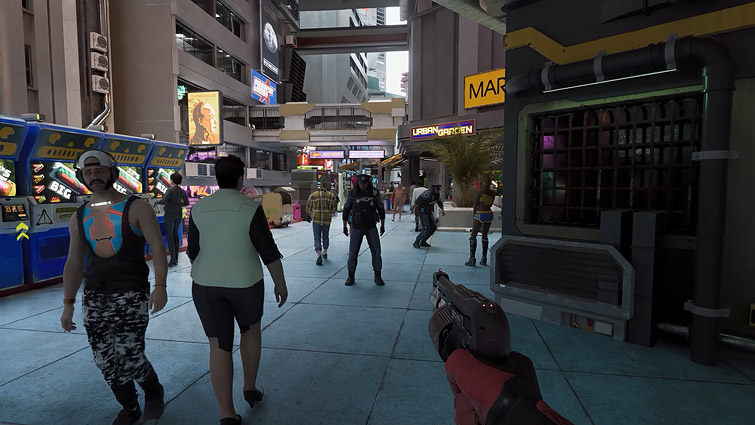
That imbalance now works in the game’s favor. CD Projekt Red’s major rebuilds shifted the center of gravity away from loot clutter and incremental stat bonuses toward abilities that genuinely alter how V moves, fights and approaches spaces. Phantom Liberty then gave those systems a denser district and some of the game’s strongest authored missions.
Cyberpunk 2077 is still not the boundless urban simulation its streets sometimes suggest. It is something more specific, and much better at being it: a first-person action RPG in which authored spaces, flexible builds and sharp character writing repeatedly outclass the open world connecting them. Continue reading